


Table of Contents
Tooth decay is one of the most common health problems worldwide, affecting billions of children and adults every year. Most people believe that eating candy is the only reason cavities develop. However, dental researchers have identified many hidden causes of tooth decay that quietly weaken tooth enamel every day. Some of these habits may seem completely harmless, yet they can significantly increase your risk of cavities over time.

A cavity does not appear overnight. Tooth decay is usually the result of repeated acid attacks that slowly destroy the protective enamel layer until bacteria penetrate the tooth.
What Really Causes Tooth Decay?
Your mouth naturally contains hundreds of species of bacteria. Most are harmless, but some feed on sugars and starches left behind after meals. As these bacteria digest food, they produce acids that gradually dissolve minerals from tooth enamel. If this process continues for weeks or months, small holes begin to form, eventually becoming cavities.

- Food remains on teeth.
- Bacteria consume sugars.
- Acids attack tooth enamel.
- Minerals are lost.
- Cavities begin to develop.
1. Fruit Juice Is Not as Safe as Many People Think
Fresh fruit juice contains vitamins, but it also contains natural sugars and organic acids. Drinking orange juice or apple juice throughout the day exposes teeth to repeated acid attacks.
Drink fruit juice with meals instead of sipping it continuously, and rinse your mouth with water afterward.
2. Sports Drinks and Energy Drinks
Many athletes believe sports drinks improve hydration without any downside. Unfortunately, many contain high amounts of sugar and citric acid, creating the perfect environment for enamel erosion.
| Drink | Risk Level |
|---|---|
| Water | Very Low |
| Milk | Low |
| Fruit Juice | Medium |
| Sports Drinks | High |
| Energy Drinks | Very High |

3. Dry Mouth Increases the Risk of Cavities
Saliva protects your teeth by washing away food particles and neutralizing acids. When saliva production decreases, bacteria multiply more easily and cavities can progress much faster.
- Certain medications
- Smoking
- Stress
- Diabetes
- Dehydration
- Mouth breathing

4. Constant Snacking Throughout the Day
Every snack restarts the acid attack on your teeth. Eating small sugary snacks every hour prevents enamel from recovering between meals.
Instead of eating five or six sugary snacks every day, choose balanced meals and drink water between them.
5. Healthy Foods Can Also Damage Teeth
Many foods advertised as "healthy" contain hidden sugars that feed harmful bacteria. While these products may be nutritious, frequent consumption without proper oral hygiene can still contribute to tooth decay.

| Food | Hidden Risk |
|---|---|
| Fruit Yogurt | Added Sugar |
| Granola Bars | Sticky Carbohydrates |
| Dried Fruits | Remain Attached to Teeth |
| Breakfast Cereals | Refined Sugar |
| Protein Bars | Sweeteners and Syrups |
Dried fruits are healthier than candy in many ways, but because they stick to the teeth for long periods, they can increase the risk of cavities if you do not brush or rinse afterward.
6. Brushing Immediately After Acidic Foods
Many people brush their teeth immediately after drinking orange juice, soda, or lemonade. Dentists actually recommend waiting because acidic drinks temporarily soften tooth enamel.
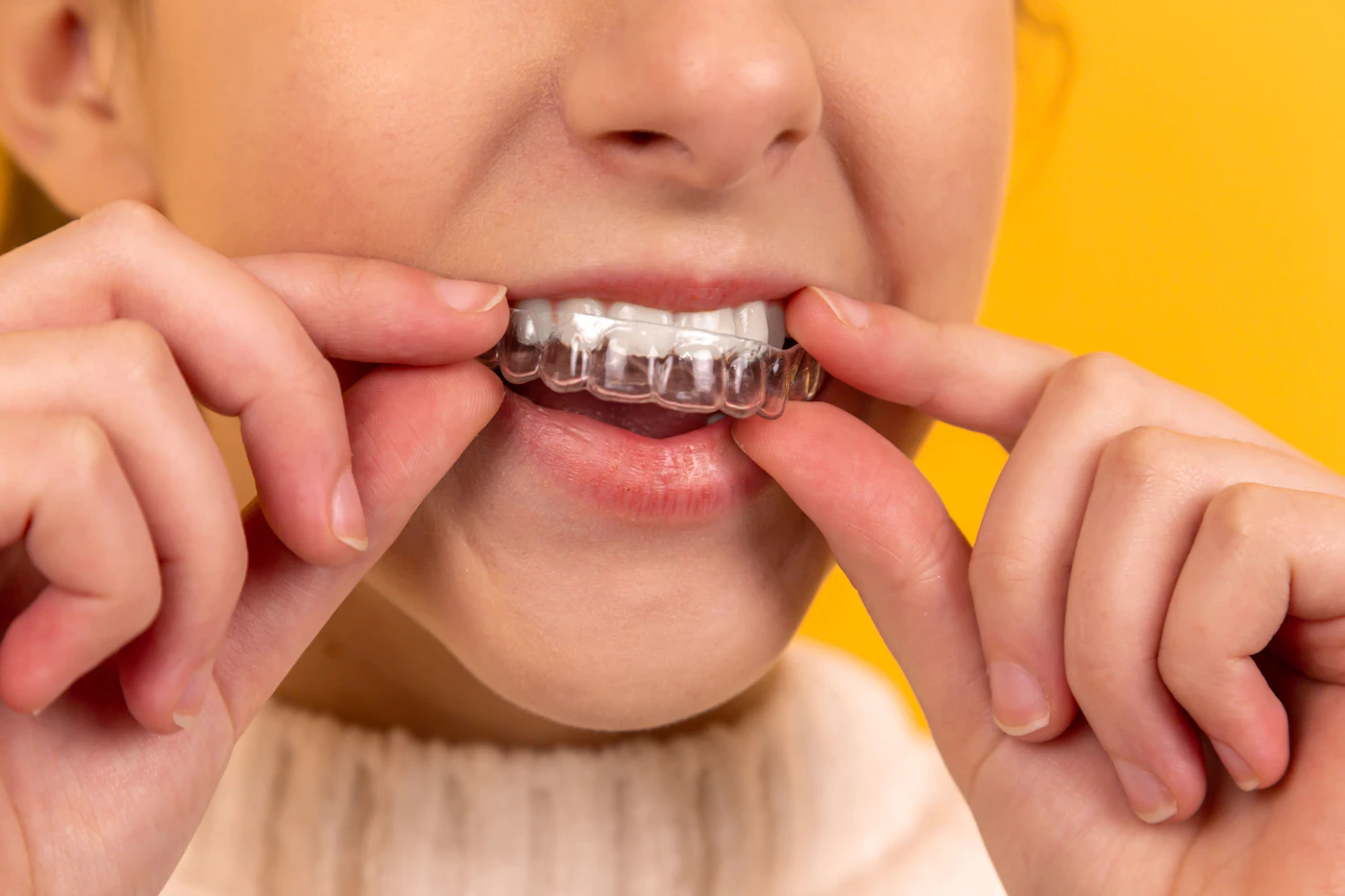
- Drink water after acidic foods.
- Wait approximately 30 minutes.
- Brush gently using fluoride toothpaste.
7. Eating Before Bed
Nighttime is one of the worst times to eat sugary foods because saliva production naturally decreases while sleeping. Food particles remain on the teeth much longer, giving bacteria several hours to produce damaging acids.

Always brush your teeth before sleeping, even if you only had a small snack or a sweet drink.
8. Acid Reflux Can Destroy Tooth Enamel
People suffering from gastroesophageal reflux disease (GERD) often expose their teeth to stomach acid. Unlike food acids, stomach acid is extremely corrosive and can dissolve enamel over time.
- Frequent heartburn.
- Sour taste in the mouth.
- Sensitive teeth.
- Enamel erosion.
9. Whitening Products Used Too Often
Professional whitening performed by a dentist is generally safe. However, overusing whitening strips or abrasive whitening toothpaste may increase tooth sensitivity and gradually wear away the enamel surface.
Always follow the manufacturer's instructions and consult your dentist before starting long-term whitening treatments.
10. Sugary Coffee and Tea
Coffee itself does not cause cavities. The problem comes from sugar, flavored syrups, caramel toppings, whipped cream, and sipping sweet beverages for several hours.

| Beverage | Cavity Risk |
|---|---|
| Black Coffee | Low |
| Coffee with Sugar | Medium |
| Sweet Latte | High |
| Sweet Iced Tea | High |
Early Signs of Tooth Decay You Should Never Ignore
Tooth decay rarely begins with severe pain. In its earliest stages, the damage is often painless, which is why many people ignore the warning signs until a cavity becomes large enough to require a filling or even a root canal.
- White chalky spots on the enamel.
- Sensitivity to cold or sweet foods.
- Mild discomfort while chewing.
- Persistent bad breath.
- Brown or black stains.
- Food becoming trapped between teeth.
The Best Daily Routine to Prevent Cavities
Dental experts agree that preventing cavities is much easier—and less expensive—than treating them. A consistent oral hygiene routine can dramatically reduce the risk of tooth decay throughout life.

| Habit | Recommendation |
|---|---|
| Brushing | Twice every day with fluoride toothpaste. |
| Dental Floss | Once every day. |
| Water Intake | Drink water after meals. |
| Dental Checkups | Every 6–12 months. |
| Sugary Drinks | Reduce frequency whenever possible. |
| Chewing Gum | Choose sugar-free gum after meals. |
Rinsing your mouth with water for 30 seconds after eating helps wash away food particles and neutralize acids before they begin attacking the enamel.
Common Mistakes That Damage Teeth

- Skipping your bedtime brushing.
- Using your teeth to open packages.
- Drinking sugary beverages slowly for hours.
- Ignoring bleeding gums.
- Replacing water with soft drinks.
- Smoking or using tobacco products.
- Postponing dental appointments until pain appears.
Foods That Help Protect Your Teeth
Not all foods harm your teeth. Some actually help strengthen enamel and stimulate saliva production.

| Food | Main Benefit |
|---|---|
| Cheese | Rich in calcium and phosphate. |
| Milk | Strengthens enamel. |
| Leafy Greens | Excellent source of minerals. |
| Apples | Increase saliva production. |
| Carrots | Help clean tooth surfaces naturally. |
| Nuts | Contain calcium and healthy fats. |
Final Thoughts
Despite common myths, tooth decay is rarely caused by a single food. Instead, it usually develops because of repeated daily habits such as frequent snacking, sugary beverages, dry mouth, poor brushing techniques, and delayed dental care.
Understanding these hidden risk factors allows you to protect your teeth before irreversible damage occurs. Healthy teeth are not only important for a beautiful smile—they also contribute to better nutrition, clearer speech, improved confidence, and overall health.

- Brush your teeth twice daily using fluoride toothpaste.
- Floss every day.
- Drink water instead of sugary beverages.
- Reduce frequent snacking.
- Visit your dentist regularly.
- Never ignore early signs of tooth decay.
